

The Foreign Aide
A psychological thriller set in 1970s Beirut
Publication Date - June 9 2026
Recommendation: READ ALL EIGHT CHAPTERS HERE FIRST. Then if you’re enjoying the book and want to continue, sign up to join my Advance Reader Copy (ARC) team to get a FREE copy of the entire book immediately — in return for an honest review at launch.
The Opening Chapters

Question
Scene-setting. What does ‘nationality’ really mean? Are you born with it, or can it be claimed? Would you fight for your country?

Rooster
Our 4 main characters meet. Richard is nonplussed by Monique’s secret — and unique — talent.

Explosion
Dinner at Lawrence’s is interrupted by news of a serious incident in the Beirut suburbs … and then by an explosion.

Marriage
The backstory of Richard and Claire’s relationship and their life in London. Their marriage is solid … or is it?

Skirmishes
Trouble at home. Trouble in the classroom. We meet Dave, who shows Richard how to sort out a fight.

River
Lawrence and Richard’s dangerous river trip — in Bulgarian tractor tyres.
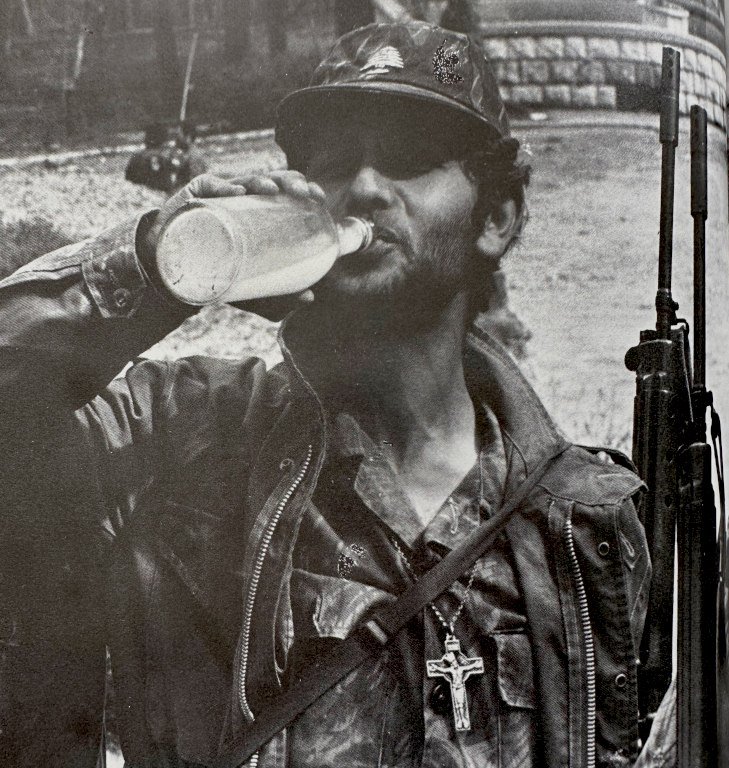
Militia
Dangerous times for Richard and Monique — in more ways than one — as the war approaches.

Cancer
Lawrence gives a history lesson, and stuns Richard with a secret. Meanwhile horrifying violence is breaking out in Beirut’s suburbs. Will Richard and Claire’s apartment be safe?

In brief ...
As a country slides into civil war, a marriage self-destructs. Richard and Claire Devine, newcomers to Beirut at the beginning of the Lebanese Civil War in 1975, fall under the spell of larger-than-life American journalist, Lawrence Anderson and his wealthy Palestinian Christian girlfriend, Monique. There are consequences for all four of them — and for Lebanon.
A gritty psychological thriller, The Foreign Aide is a novel from Alan Miles, whose 30-year Mid-East adventure also started in war-torn Lebanon. So how is this book relevant to today’s reader? “1970s Beirut gave me all the ingredients I needed for a gripping tale”, says Alan. “But I hope my story will also remind readers that present-day conflicts in the Middle East have very deep roots. And that sometimes, when we Westerners dive in to intervene, we can find ourselves hopelessly out of our depth.”